Elvin Starseeds: The Ancient Magic Keepers and Dragon Riders
Elves are magical beings with a human appearance and pointed ears. They are known for their beauty, their bond with nature, and powers that can heal, protect, deceive, or harm.
Their story reaches from ancient elf realms to the Seven Sisters, then into the dragon bloodlines of modern film. Behind the beauty lies a question that follows every keeper of magic: what will they do with their power?
In this story
Aeloria and the Elvin Lineage
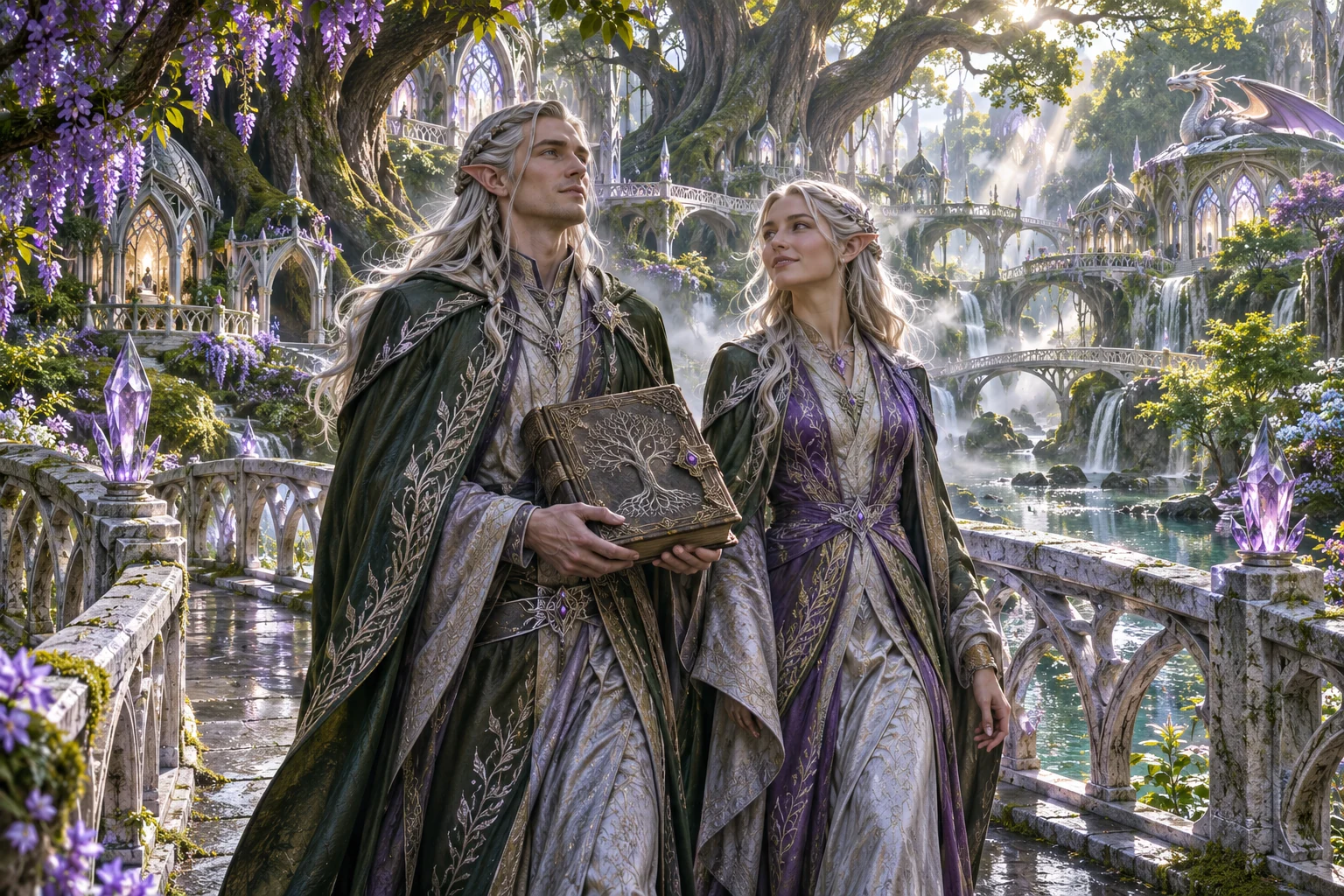
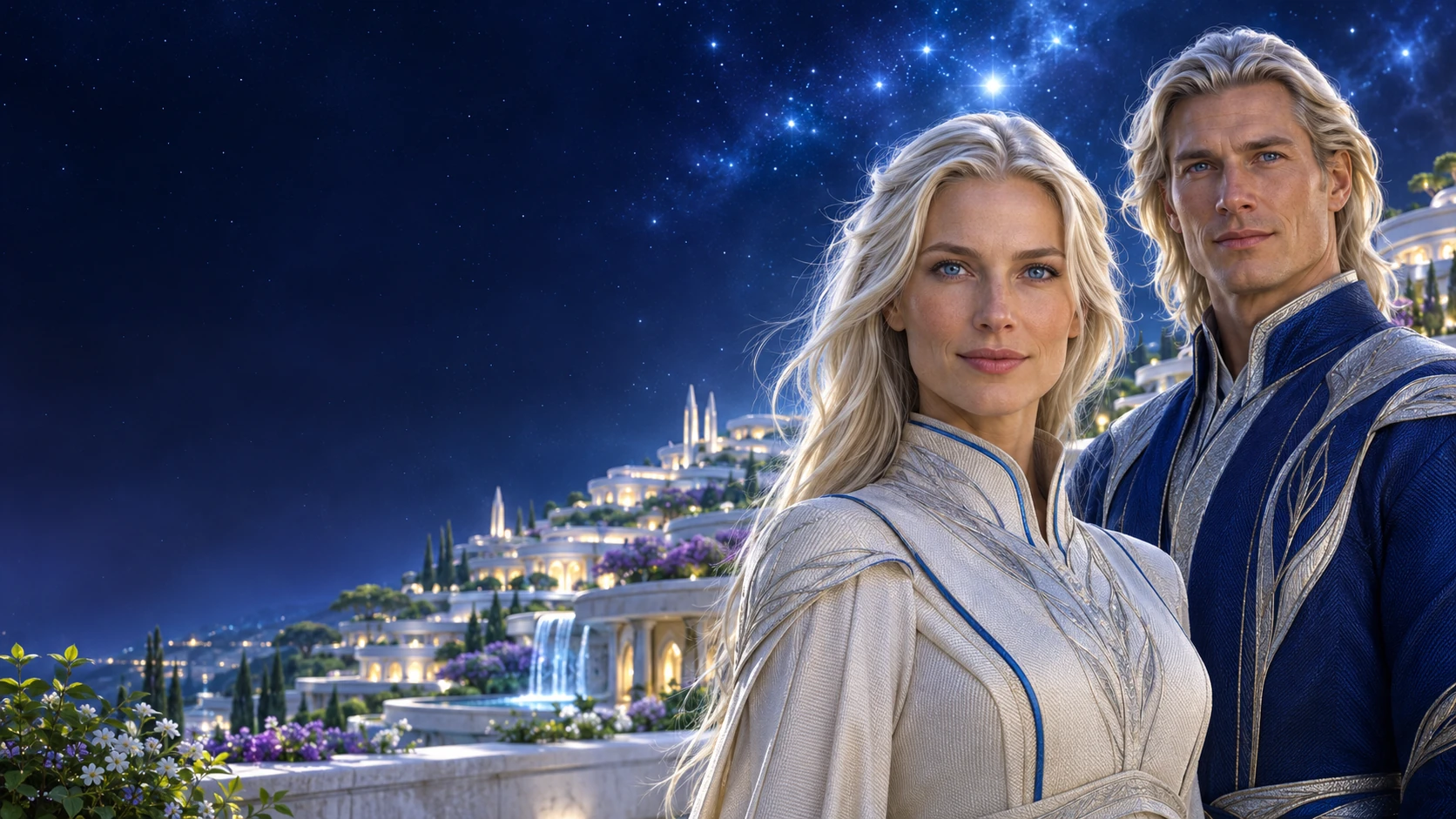
The Elvin homeland is Aeloria, a world of forests, rivers, and crystal. Its people build around ancient trees and learn to sense the Lume, the frequency connecting living things. Their craft grows from that relationship with the land.
Their keepers preserve knowledge, protect boundaries, and teach the next generation.
Elven star teachings connect their ancestry with the Pleiades and their earthly stories with the Irish Tuatha Dé Danann and the Sidhe. The Seven Sisters link the Elvin lineage with the wider family of Pleiadian star lore.
The Ancient Keepers of Magic
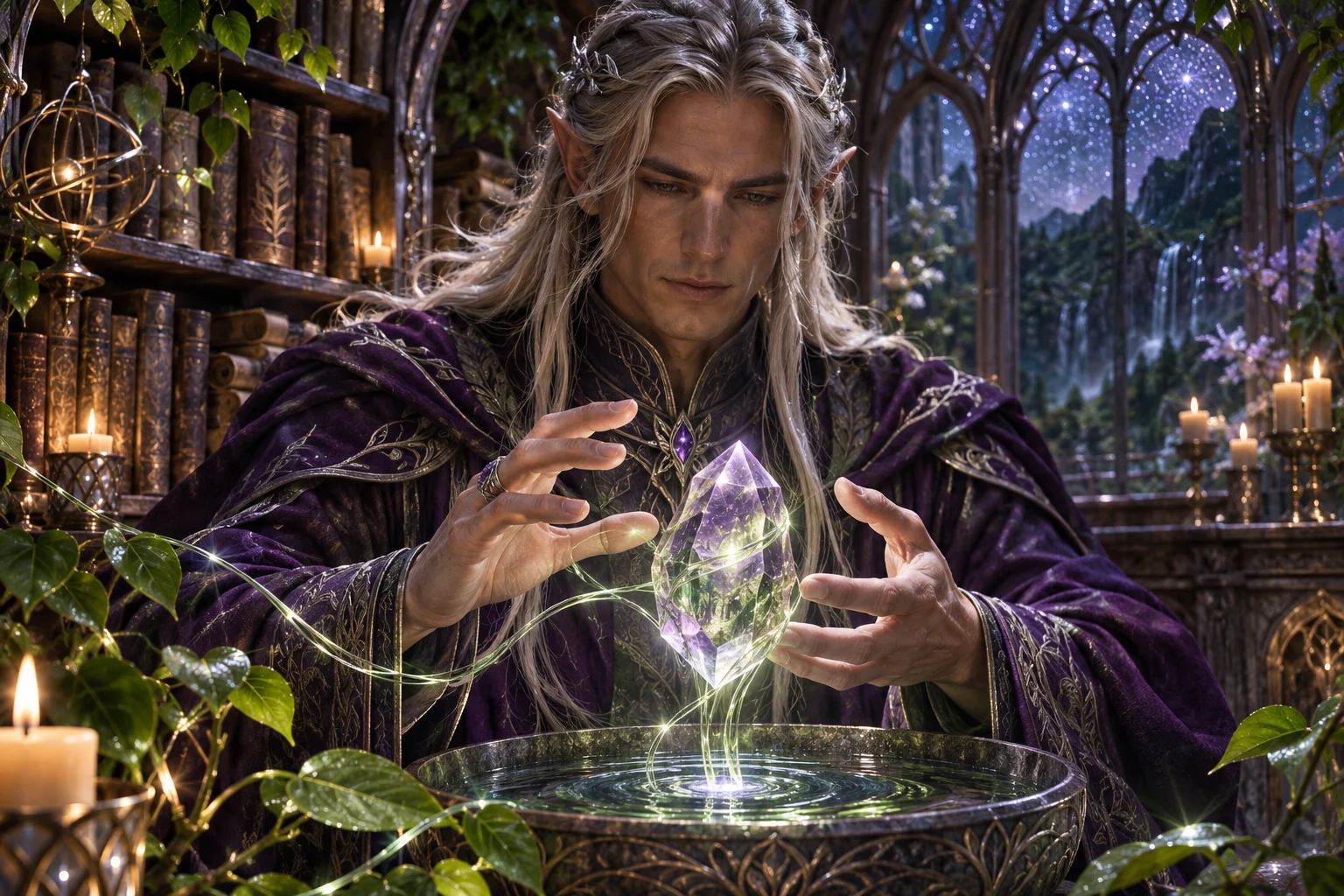
In Norse lore, elves dwell close to the gods. Freyr receives Álfheimr, the elf realm, as a gift when he cuts his first tooth.
Dáin carves runes for the elves. A spell song grants the gods strength, the elves skill, and Odin wisdom. Runes and spoken words carry power through signs and sound.
Odin's songs heal, protect warriors, calm the sea, and influence desire. The craft reaches from care and protection to the power to bend another person's will.
In Old English lore, elfshot brings illness and sharp pain. The charm Wið færstice commands that threat to leave. Ælfsiden, or elf magic, is related to Norse seiðr, a craft associated with divination and influence over the mind.
The Dragon Riders
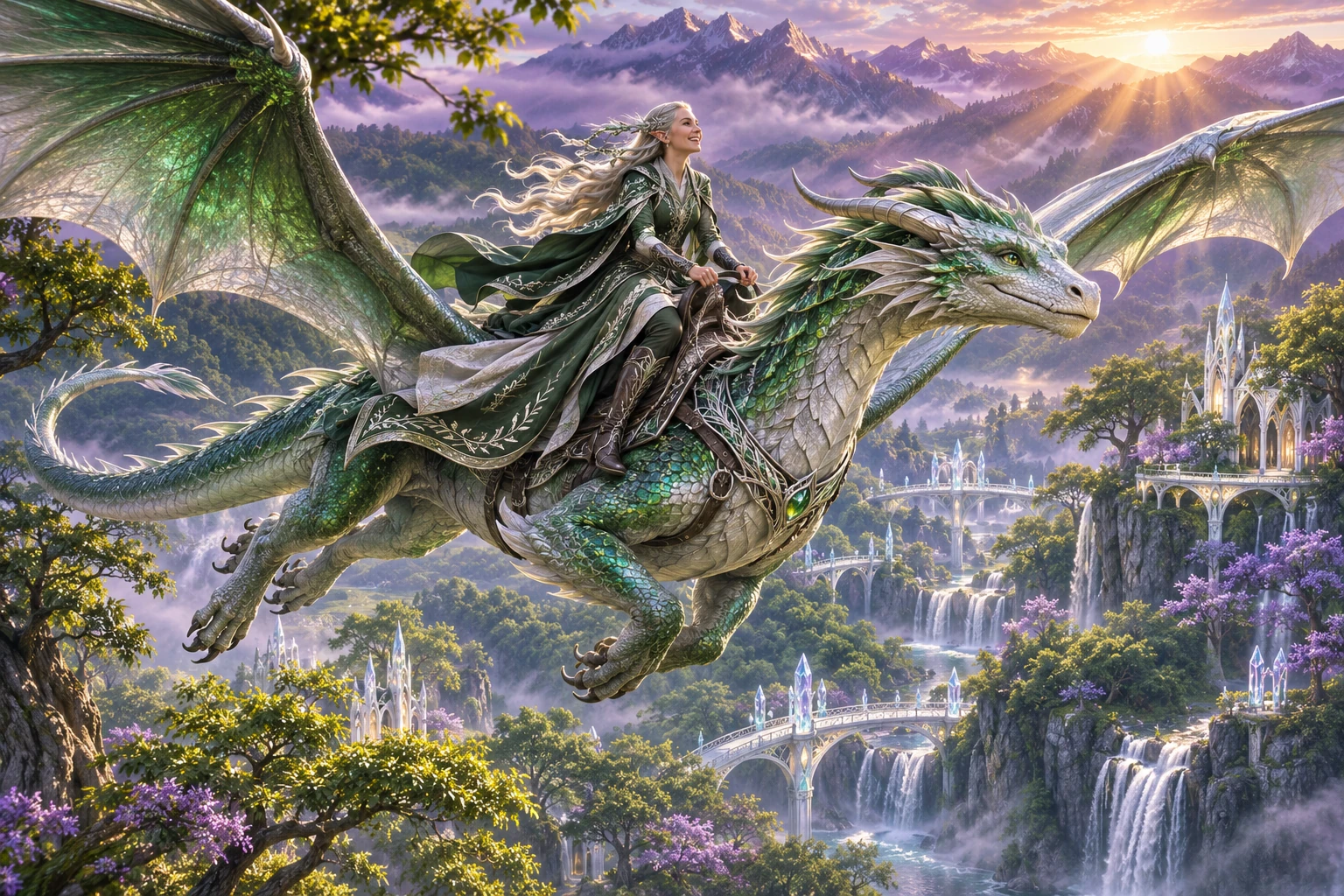
Elvins and dragons first meet in the high mountains of Aeloria. During dangerous storms, the Elvins offer food and safe nesting places. The dragons teach them to read the sky and travel through difficult winds.
Their alliance becomes the Covenant of the Open Hand. Some choose to become Dragon Riders, carrying knowledge, aid, and protection between communities.
A dragon keeps its own will and can refuse a journey. The rider earns trust through training and care. From the air, rivers become routes between settlements and distant mountain passes come within reach. The alliance gives the keepers a way to serve far beyond their forests.
Light and Dark Magic
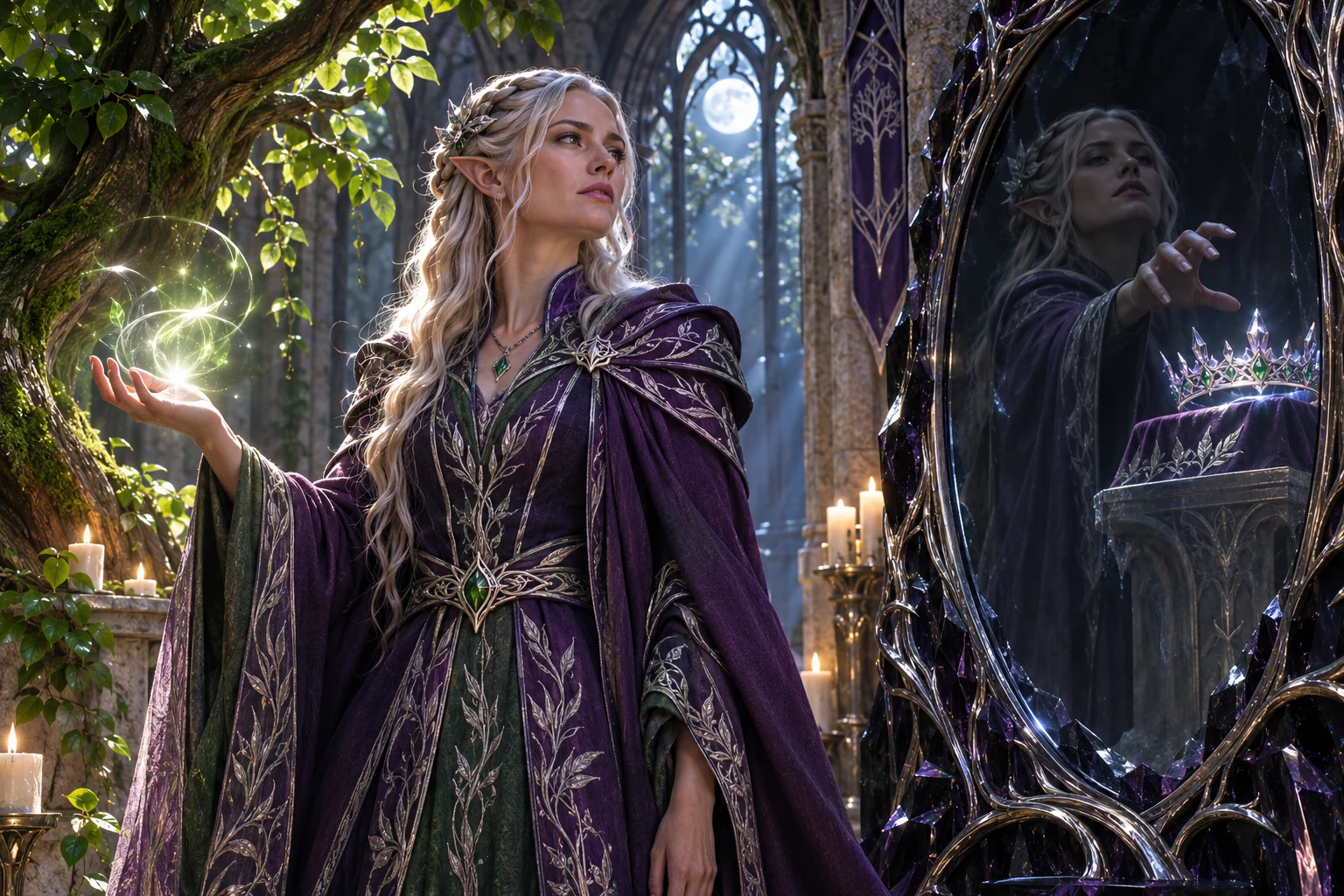
Elves can help people or harm them. Light elves dwell in Álfheimr, while dark elves live beneath the earth.
Magical practice carries another division: how power is used. A protective charm guards a person or home. Divination seeks knowledge. A curse causes harm, while a coercive spell tries to bend someone else's will.
The Elvin Returning addresses that misuse of power. Those who break trust must face the harm, repair what they can, and renew their obligations. Knowledge alone does not make a keeper wise. Their choices determine whether their magic protects life or controls it.
The Seven Sisters and the Elven Star
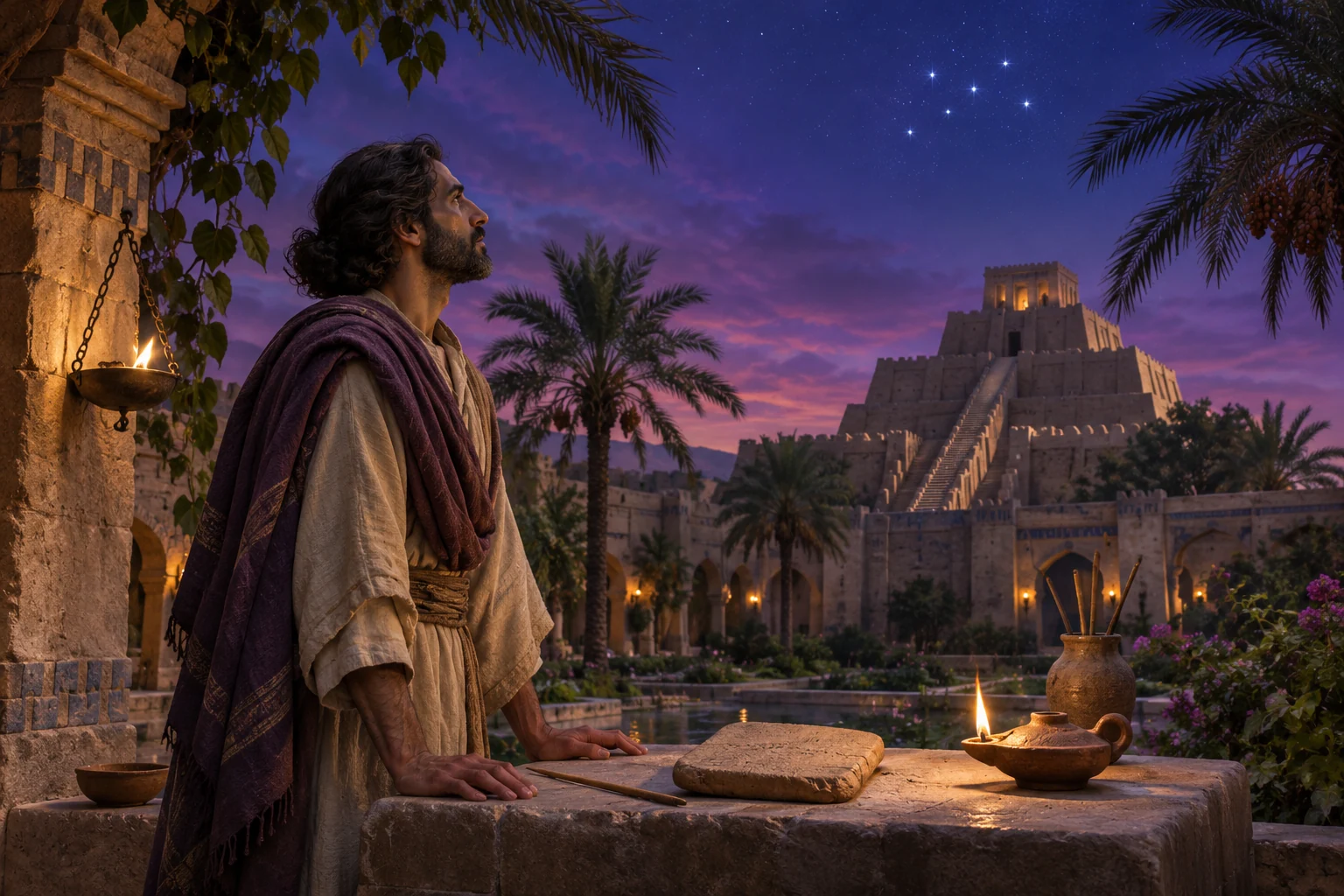
The Pleiades appear far beyond northern elf lore. Babylonian and Assyrian scribes used the Sumerian notation MUL.MUL, meaning the stars, for this cluster. Their records connect it with calendars, omens, and groups of seven divine beings.
The Sebettu, the Seven, are linked with war and destructive power. The ancient star lore carries both protection and danger.
In Elven star lore, the seven-pointed star represents seven directions and the Seven Sisters of the Pleiades. Its points connect the keeper's place on Earth with their star ancestry.
Elven Magic on Screen
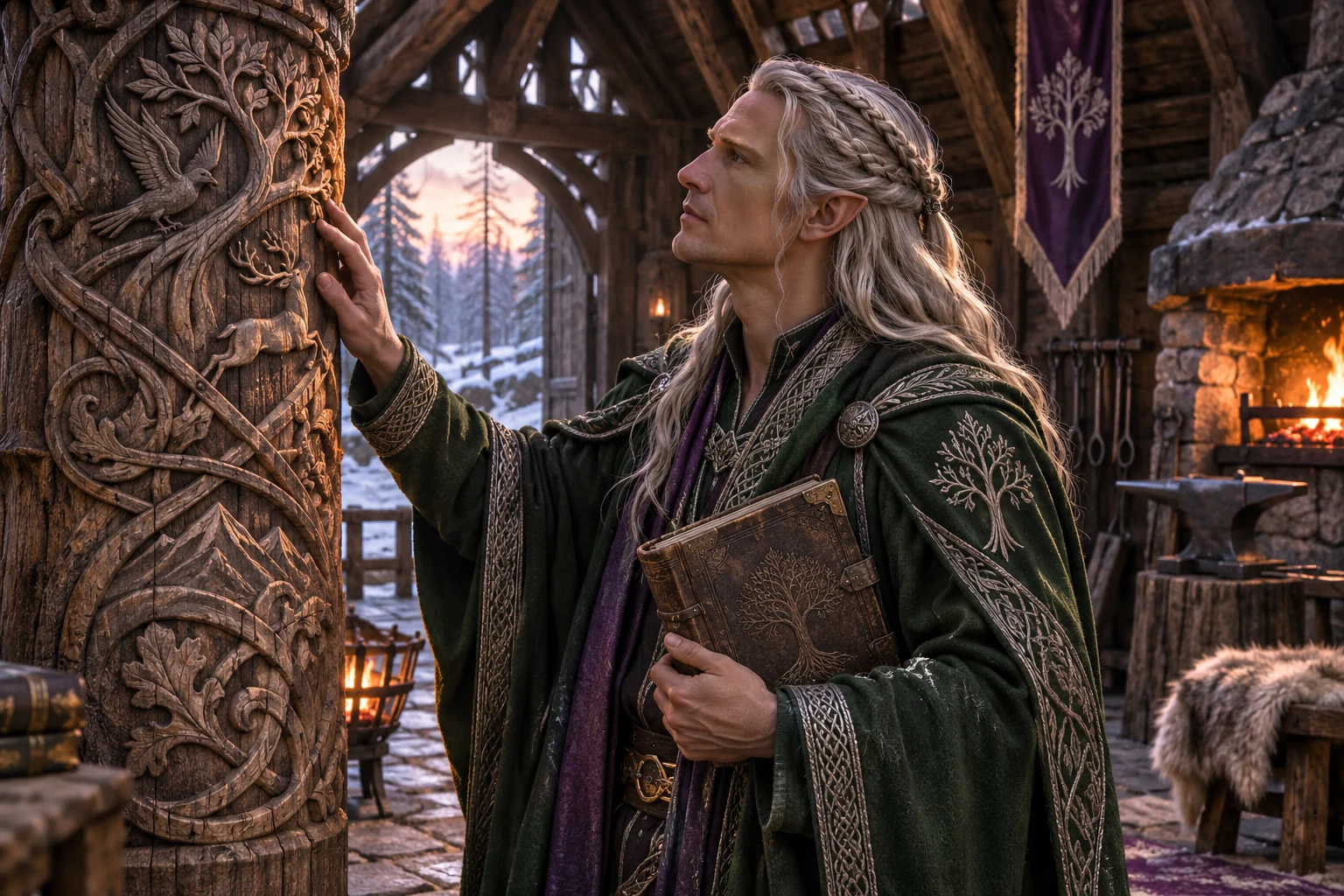
Elven magic in Middle-earth is art: the ability to bring skill and vision into the world. Its power has a purpose and a cost. Sauron's ambition turns toward domination.
Sauron places much of his power in the One Ring, making his strength depend on something that can be destroyed. The Elven Rings preserve beauty and slow decay. Their gifts have limits, and even the wish to preserve a beloved world can become possessive.
In The Bureau of Magical Things, elves live in a hidden society beside modern humans. Imogen and Darra are Elven siblings, while Kyra gains human, fairy, and elf qualities through a magical accident. The young magic keepers must learn to control their powers while protecting both worlds.
The Dragon Bloodline in Game of Thrones
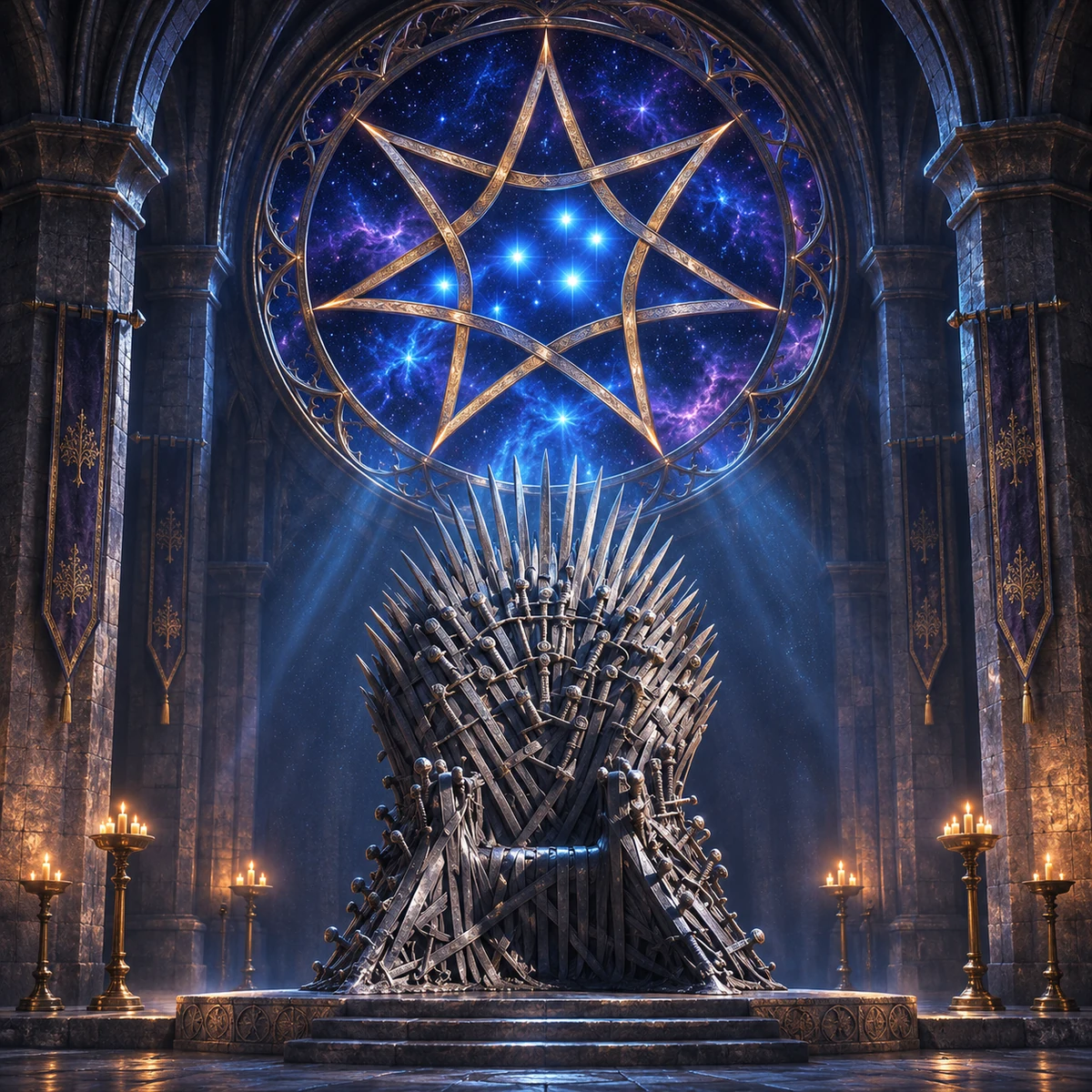
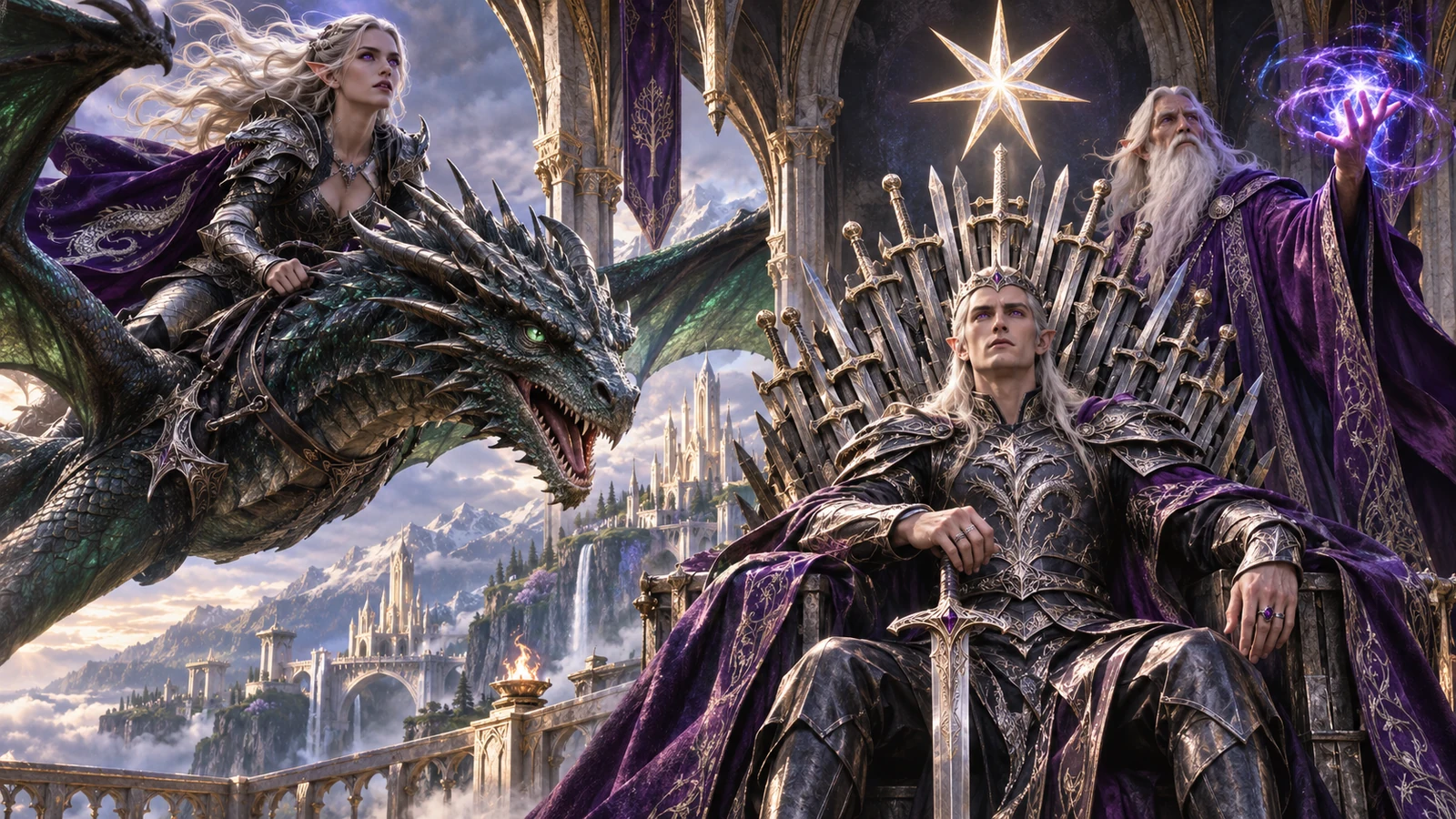
In Game of Thrones, the Targaryens descend from Valyria. They are known for silver-gold hair, their bond with dragons, and their rule over the Seven Kingdoms.
Their silver-gold hair and fine features reflect the familiar Elvin image. Their power rests on inheritance, a gift carried through the bloodline and expressed through their bond with dragons.
A seven-pointed star shines in stained glass above the Iron Throne. In Elven star lore, it represents the Seven Sisters of the Pleiades. The royal imagery joins Dragon Riders with the celestial ancestry carried by the Sevenfold Star.
The Elvin Path Today
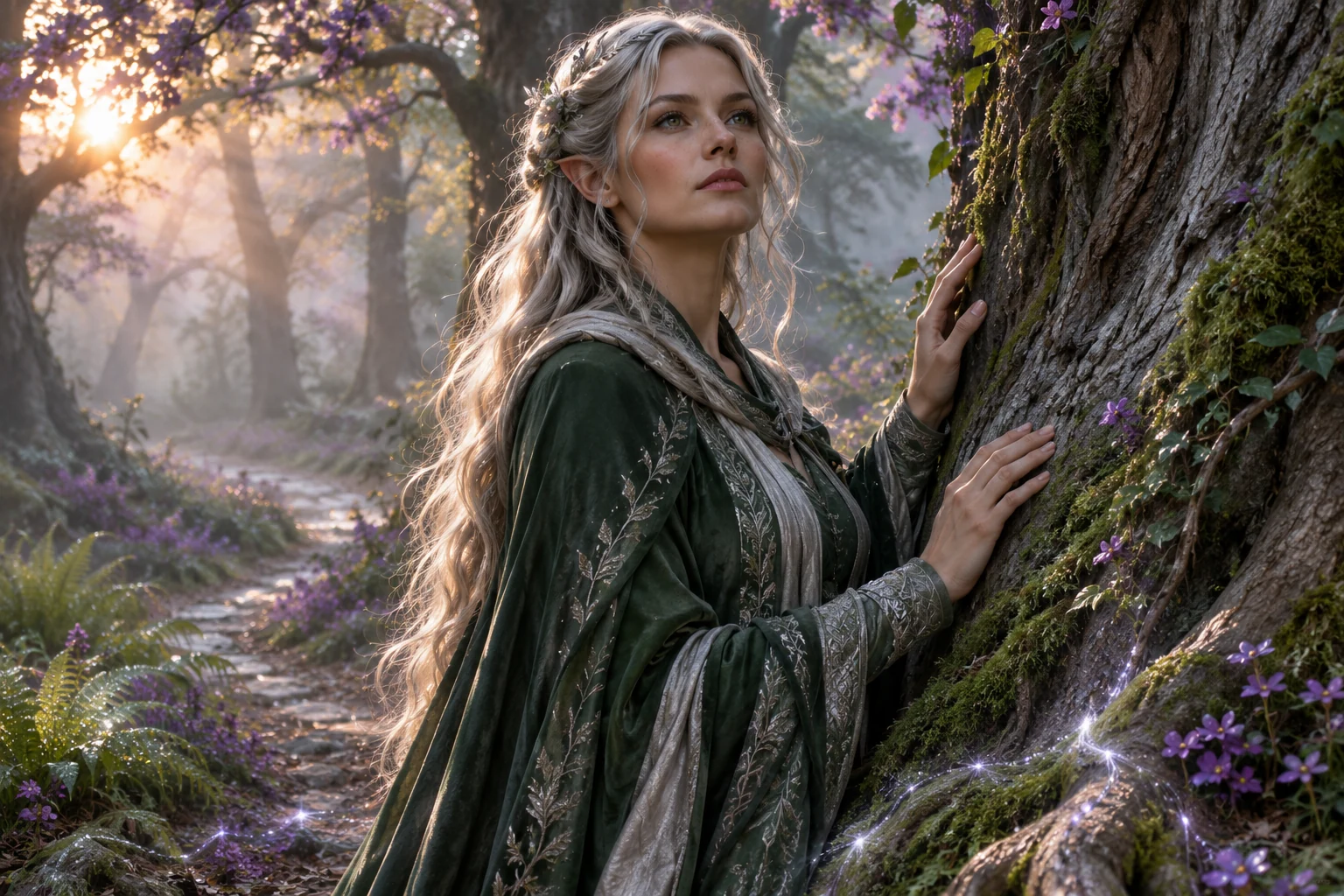
The keeper's role continues through nature, dreams, and the mind. In Elven teachings, contact comes through thoughts and images, with magic directed toward restoring the living world.
Film gives these old themes a new reach. Revelation of the method treats entertainment as disclosure, with passive acceptance believed to strengthen what is shown. Lesser magic works through influence over thoughts and feelings. Both center on how attention can serve the will of another.
The Elvin path asks what you do with your own gifts. A keeper may preserve a teaching, protect a natural place, make art, or help a community. The gift takes shape through the work you choose. Which part of that calling feels familiar to you?
What does Elvin mean?
Elf comes through Old English ælf and Old Norse álfr, part of a Germanic word family. Elven means relating to elves. The personal name Elvin can descend from Ælfwine, meaning elf-friend; Alvin has more than one name origin.
Aramaic El and Alaha, and Akkadian ilu, mean god. These divine names belong to their own language traditions.
Sources and Further Reading 18 linked references
- Elvin Origin NarrativeSoul Group Decoder's original Aeloria, Lume, Dragon Rider covenant, and Returning account.
- Bosworth–Toller: ælfOld English word forms and their Germanic relatives.
- University of Copenhagen: ElvinThe personal name and its elf-friend root.
- Alaric Hall: Elf and Elves in Medieval EnglandWord history, elfshot, ælfsiden, and seiðr.
- Grímnismál: A Critical EditionFreyr, Álfheimr, and the tooth-gift.
- Hávamál: The Words of OdinOlive Bray’s translation: elf runes and magical songs.
- Snorri: GylfaginningAnthony Faulkes’s edition: light and dark elves.
- Lorenzo Verderame: Pleiades in Ancient MesopotamiaMUL.MUL, seven-star imagery, and ancient divine associations.
- Comprehensive Aramaic Lexicon: ElThe Aramaic word for god and divine-name usage.
- Comprehensive Aramaic Lexicon: AlahaAramaic forms for god/God.
- ORACC: Akkadian iluA cuneiform lexical entry for the Akkadian word god.
- George R. R. Martin: Heads or Stars?The seven-pointed star of the Faith of the Seven.
- George R. R. Martin: Character DesignThe Targaryen and Valyrian appearance.
- Belfast Set Visit: Part 3The throne room and its stained-glass stars.
- Bernadette Wulf: The Elven StarA modern spiritual teaching connecting elves and the Pleiades.
- J. R. R. Tolkien: Letter 131Elven art, preservation, domination, and power placed in the One Ring.
- ZDF Studios: The Bureau of Magical ThingsOfficial series synopsis and character brochure.
- Church of Satan: The Role of RitualThe distinction between lesser and greater magic in LaVeyan practice.